rss

100 Days of Something: 85

A sanguine perfume is a motorcycle of the mind.
The skirt is a dictionary.
An observation sees a purpose as a soapy stick.

Three sentences from Kyle Stetz’s Metaphorpsum metaphor generator. 1 Kyle has created a number of interesting tools for using audio directly within the browser. Scribble.audio, for example, or the more advanced Lissajous.js. Typedrummer is probably the one he is most know for, though.

You can listen to “a sanguine perfume” there.


  1. I’d have liked to have had some sentences generated live for this post, but ran into some AJAX issues that I didn’t manage to get figured out. ↩

100 Days of Something: 86

Vagn Steen celebrates his 88th birthday today.

10 years ago we got together each day for a month and recorded a short poem based on a letter of the Danish alphabet. Those recordings were later taken apart and reassembled as the Lydfabet – a journey through the Danish alphabet in the form of a sound montage.

V som Vagn V som vej vej til Vildskab vej til Vipperød vej til Verden vej til Vandet vej til Virkeligheden

Happy Birthday Vagn.

100 Days of Something: 87

John Siracusa and Merlin Mann on a roll in episode 29 of Reconcilable Differences. Humans and the future: Putting a timeline (and endgame perspective) on current hopes for VR and biolgical advances.

Is the Internet Being Ruined? The latest episode of Freakonomics Radio. Ferguson, Facebook, and the open web.

And speaking of the open web, in my Twitter feed, the W3C browser DRM story continues. (Also Tim Berners Lee campaigns for European Net Neutrality and Kevin Marks takes notes from the Homebrew Website Club)

Open web, IndieWeb. Christian Heilmann voices reservations about the IndieWeb onboarding requirements in Marc Thiele’s Twumble podcast series. A nice (open air) interview with Eva-Lotta Lamm too. On drawing.

100 Days of Something: 88

John Siracusa in the episode of Reconcilable Differences mentioned yesterday: For all the imagined advancements, the big thing about the plot of a (futuristic) film like Star Wars is the absence of any kind of internet-like communication.

Snippets.today: Building on today’s open web, Manton Reece has opened up a little on his long time microblogging project. He talks about it with Daniel Jalkut on Core Intuition. They also cover some thoughts on the value and future of the open web. Ev Williams claiming the future is centralised and Matt thinking otherwise.

Of course Ev is going to paint a picture of centralised convenience when that is the principle that Medium is built on. And Medium engineers try to convince us on how complex the technology behind it is. If you’re building Medium that might certainly be the case, but for individual sites it can be quite straightforward. Hands off the blogs. How about helping empower people by bringing them closer to the technology they use on a daily basis?

100 Days of Something: 90

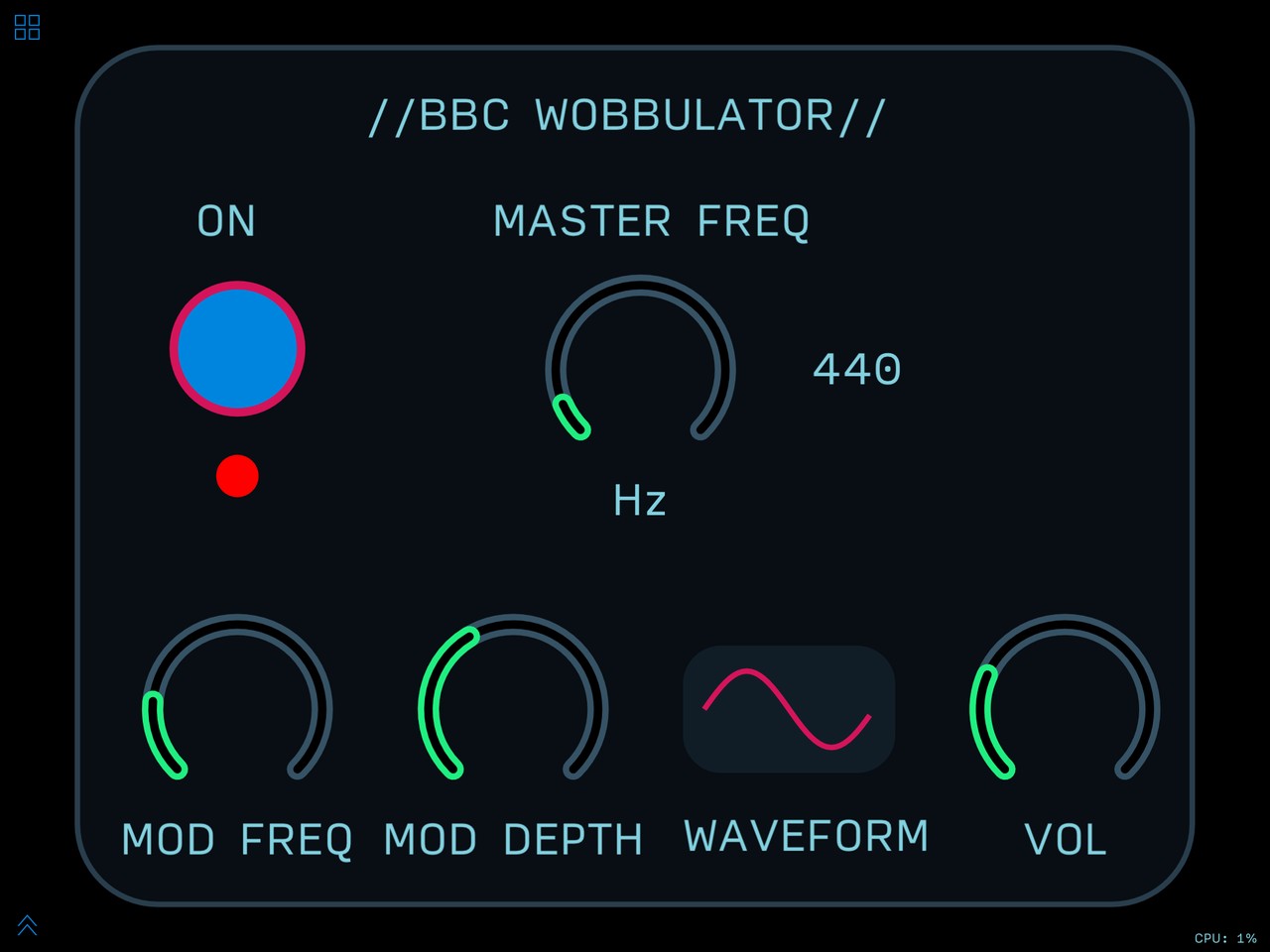
A few days ago I mentioned Kyle Stetz’ scribble.audio and Typedrummer. The BBC has also been busy at building nice things with the Web Audio API. The Wobbulator is a recreation of a device from the Radiophonic Workshop that includes a behind the scenes look at the code used to make it.

While Kyle’s web apps work as nicely on my iPhone/iPad as they do on my Mac, the Wobbulator unfortunately doesn’t work at all on those ‘mobile’ devices, which is a pity since it would be well suited to touch screen controls. And if JavaScript is turned off none of them work at all.

I’m wondering how these kinds of web apps could be approached following the principles of progressive enhancement.

100 Days of Something: 91

As a counterpart to the recreation of analogue electronics using Web Audio, here’s a video demonstrating Acoustic Amplitude Modulation, or rather Electromagnetically Actuated Acoustic Amplitude Modulation Synthesis to be precise. That’s the title of a paper by Herbert Chang and Spencer Topel, both of Bregman Media Labs at Dartmouth College, in which they discuss a “new approach to acoustic amplitude modulation that builds on prior work with electromagnetic augmentation of acoustic instruments.” Details of the paper are summed up in this video.

100 Days of Something: 93

I had the idea to put together a little map of the various locations at which I’ve taken photographs of the Spyo BIRDS on my routes through the city. I’ve used OpenStreetMap before, but it isn’t possible to add multiple locations or images to markers using their web interface. Mapbox, a platform that builds on OpenStreetMaps, turned out to be a wonderful solution. With a little help from one of their tutorials, I’ve easily been able to set up what I had in mind.

Click on a marker to see the photograph for that location, and follow the link to the relevant 100 Days of Something post.

100 Days of Something: 94

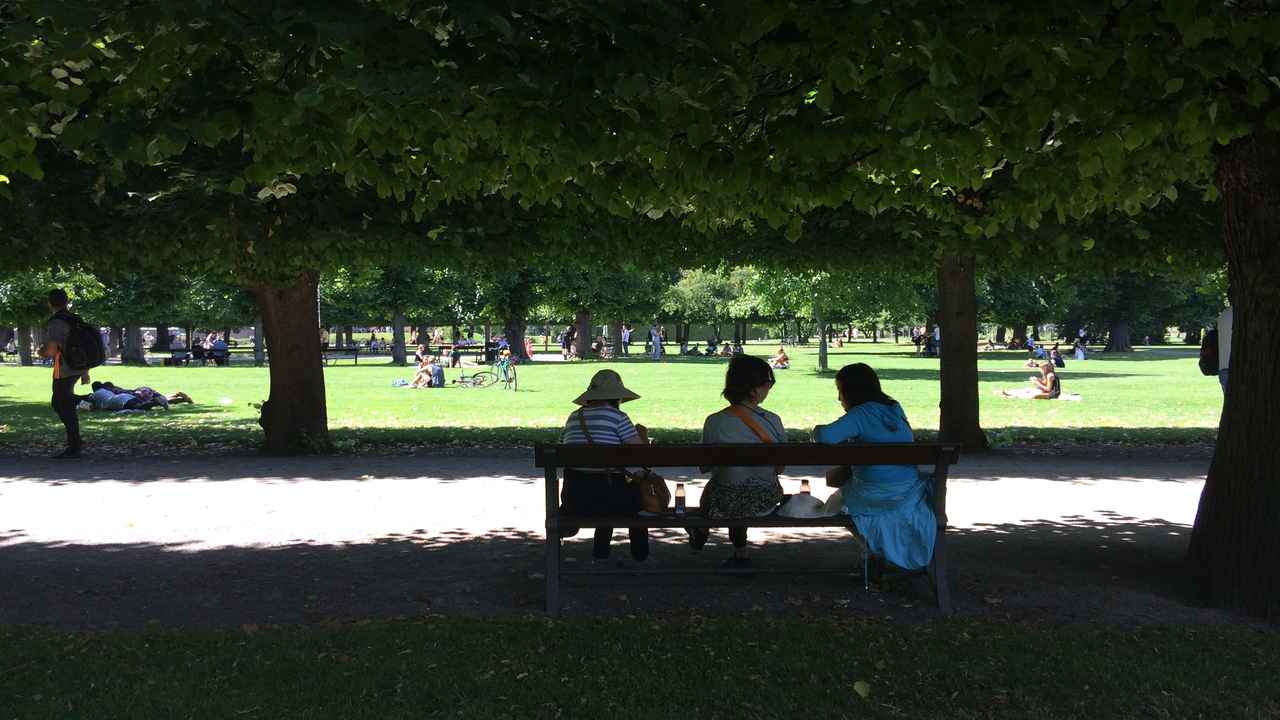
An afternoon in Kongens Have, with shadows that reminded me of Seurat’s La Grande Jatte.

We’d gone there to watch a show at the open air Puppet Theatre, currently celebrating their 50th Anniversary, and it was The Wild West that we got to see. The puppet show starts off as a visit to the cinema with the two main characters suddenly finding themselves in the film they are watching. Conceptually a nice idea, but not very engaging as puppet theatre – it struck me how deeply screens have come to dominate our culture. Perhaps I was expecting some kind Punch and Judy interaction with the children, with screams and shouted comments, but each remained on their side of the curtain.

We sauntered off amongst the beautiful trees.

100 Days of Something: 95

I’ve been taking a closer look at Mapbox. Although I was able to set up the Spyo BIRD locations fairly easily, taking a look at how to generate static maps, for example, has taken a little more time. Mapbox is a sophisticated platform with incredible possibilities – the downside is that there are many paths to get lost on, especially with the added complexity that comes with distinguishing between the new and classic versions of Mapbox Studio.

The main thing to clarify for myself has been the difference between the ‘Styles’ one can edit in the new web-based Mapbox Studio and the locations and image pop-ups that can be added using the online Mapbox Editor. While the data for those markers can be downloaded as a geoJSON file and then uploaded and added to the ‘Style’ one is working on in Mapbox Studio, that isn’t the place to add pop-ups with text, sound, and images, for example. The edited ‘Style’ forms a base map on top of which interactions such as markers and pop-ups can be added using the Mapbox GL JS or ‘classic’ Mapbox.js JavaScript libraries, when implemented on the web.

100 Days of Something: 96

On the 30th of July 2000 I took a walk through Alexandra township with one of its residents – the artist Bongi Dhlomo-Mautloa. From recordings made over a 24 hour period I put together a 60 minute soundscape documenting a day in the life of the township.

At the time I made a small hand-drawn map of the various locations at which the sound recordings had been made. That was in an era before the advent of Google Maps, and since then I’ve often thought of how our awareness of our surroundings has changed along with the ubiquity of those maps and the satellite imagery they’re based on.

The satellite images, as impressive as they are in their detail, are still taken from some distance, and drones have recently opened up for a birds eye view that’s a little closer to our homes. The photographer Johnny Miller has put together Unequal Scenes – a collection of photographs capturing drones eye views that highlight the stark inequalities of adjacent South African neighbourhoods.1

The contrast between Alexandra and Sandton makes for one of the sets of photographs, and it is precisely that contrast that Bongi set out to draw attention to with an installation at the National Arts Festival in Grahamstown back in the year 2000. It was there that I first met her and it was the installation that provided the impetus for the soundscape project.

I’ve been meaning to update the page for A Walk with Bongi through Alex on my site, partly with the addition of some up to date satellite imagery – which is one of the reasons I’ve been taking a closer look at Mapbox. Here’s a satellite view covering the area of my original hand-drawn map.


  1. Unequal Scenes has also been covered by the BoingBoing, The Guardian, and CNN. ↩

100 Days of Something: 97

Amid all the political reporting and commentary that I’ve been reading in the major newspapers, something that Dave Winer wrote on his blog has stuck with me: That he hoped Trump would “fail and fail big,” in order to “Get this fascist thing out of the American system.”

It seems that humans still have some way to go before they’ve burnt through their base instincts. Hopefully we won’t need to sink too low before we learn.

It’s puzzling that so many seem so willing to allow themselves to be blindly swept along by dramatic claims for easy fixes to complex problems.

The current situations in both Turkey and America have prompted comparisons with Hitler. Jason Kottke, with a nod to Mike Godwin, posted a succinct TED video that takes a look at the processes by which fascism might arise in a democratic society.

100 Days of Something: 98

Shortly after posting yesterday’s entry, a tweet by Kai Brach1 got me bookmarking a link:

😩 “Based on history we are due another period of destruction, and based on history all the indicators are that we are entering one.”

The quote is from History tells us what may happen next with Brexit & Trump, an essay by Tobias Stone.2 He’s also followed up that essay with an in-depth response to some of the comments on it.


  1. The upcoming issue of his Offscreen magazine is themed around “taking a closer look at what’s ahead and how we can think meaningfully about the future.” ↩

  2. The essay has also since been published by the Huffington Post, only there “…what may happen next…” in the title, has been changed to “…What Will Happen Next…” ↩

100 Days of Something: 100


                            ___           ___
                           /\  \         /\  \
                ___       /::\  \       /::\  \
               /\__\     /:/\:\  \     /:/\:\  \
              /:/  /    /:/  \:\  \   /:/  \:\  \
             /:/  /    /:/__/ \:\__\ /:/__/ \:\__\
            /:/  /     \:\  \ /:/  / \:\  \ /:/  /
           /:/  /       \:\  /:/  /   \:\  /:/  /
           \/__/         \:\/:/  /     \:\/:/  /
                          \::/  /       \::/  /
                           \/__/         \/__/
        ___           ___           ___           ___
       /\  \         /\  \         |\__\         /\  \
      /::\  \       /::\  \        |:|  |       /::\  \
     /:/\:\  \     /:/\:\  \       |:|  |      /:/\ \  \
    /:/  \:\__\   /::\~\:\  \      |:|__|__   _\:\~\ \  \
   /:/__/ \:|__| /:/\:\ \:\__\     /::::\__\ /\ \:\ \ \__\
   \:\  \ /:/  / \/__\:\/:/  /    /:/~~/~    \:\ \:\ \/__/
    \:\  /:/  /       \::/  /    /:/  /       \:\ \:\__\
     \:\/:/  /        /:/  /     \/__/         \:\/:/  /
      \::/__/        /:/  /                     \::/  /
       ~~            \/__/                       \/__/
                      ___           ___
                     /\  \         /\  \
                    /::\  \       /::\  \
                   /:/\:\  \     /:/\:\  \
                  /:/  \:\  \   /::\~\:\  \
                 /:/__/ \:\__\ /:/\:\ \:\__\
                 \:\  \ /:/  / \/__\:\ \/__/
                  \:\  /:/  /       \:\__\
                   \:\/:/  /         \/__/
                    \::/  /
                     \/__/
        ___           ___           ___           ___
       /\  \         /\  \         /\__\         /\  \
      /::\  \       /::\  \       /::|  |       /::\  \
     /:/\ \  \     /:/\:\  \     /:|:|  |      /:/\:\  \
    _\:\~\ \  \   /:/  \:\  \   /:/|:|__|__   /::\~\:\  \
   /\ \:\ \ \__\ /:/__/ \:\__\ /:/ |::::\__\ /:/\:\ \:\__\
   \:\ \:\ \/__/ \:\  \ /:/  / \/__/~~/:/  / \:\~\:\ \/__/
    \:\ \:\__\    \:\  /:/  /        /:/  /   \:\ \:\__\
     \:\/:/  /     \:\/:/  /        /:/  /     \:\ \/__/
      \::/  /       \::/  /        /:/  /       \:\__\
       \/__/         \/__/         \/__/         \/__/
         ___           ___                       ___
        /\  \         /\__\          ___        /\__\
        \:\  \       /:/  /         /\  \      /::|  |
         \:\  \     /:/__/          \:\  \    /:|:|  |
         /::\  \   /::\  \ ___      /::\__\  /:/|:|  |__
        /:/\:\__\ /:/\:\  /\__\  __/:/\/__/ /:/ |:| /\__\
       /:/  \/__/ \/__\:\/:/  / /\/:/  /    \/__|:|/:/  /
      /:/  /           \::/  /  \::/__/         |:/:/  /
      \/__/            /:/  /    \:\__\         |::/  /
                      /:/  /      \/__/         /:/  /
                      \/__/                     \/__/
                             ___
                            /\  \
                           /::\  \
                          /:/\:\  \
                         /:/  \:\  \
                        /:/__/_\:\__\
                        \:\  /\ \/__/
                         \:\ \:\__\
                          \:\/:/  /
                           \::/  /
                            \/__/

Rounding off these 100 days with a Monodraw ASCII banner using the FIGlet isometric1 font.

Ever since I started playing around with the ASCII stuff a few weeks ago I’ve been noticing what seems to be a little renaissance of plain text diagrams. Some examples:

I’ve been catching up on lectures from the Darmstädter Ferienkurse 2016. They’re fortunately all available in audio form via Voice Republic with a handy podcast feed so that I can get them into Overcast.

I started off with Klaus Lang’s Liebe und Notation. Klaus was a fellow student back in the day when I studied composition with Younghi Pagh-Pahn in Bremen. He enjoyed the long trips from the Austrian mountains to the flat spaces of the German north: Creating open spaces happens to be one of the main features of his music.

The second lecture I’ve gotten round to has been Theater – Macht – Kritik – a concise overview of the changing views on theatre since the Greeks. I found it useful as a framework – as a tool for placing the kind of mindset (the director’s inszenierung as central focus) that Pelle Gudmundsen-Holmgreen came up against when getting his opera staged, as discussed at Frankenstein’s Lab last year.

For a few weeks in July news coverage of the (Syrian) refugee question seemed to disappear. Trumped by American politics. One might have wondered whether it was still an issue at all were it not for occasional tweets like the following:

Intelligent and involving. “Your phone is now a refugee’s phone.” Watch this on your mobile if you can. https://t.co/WlRSOaC02N —SimonNRicketts on Twitter: 1

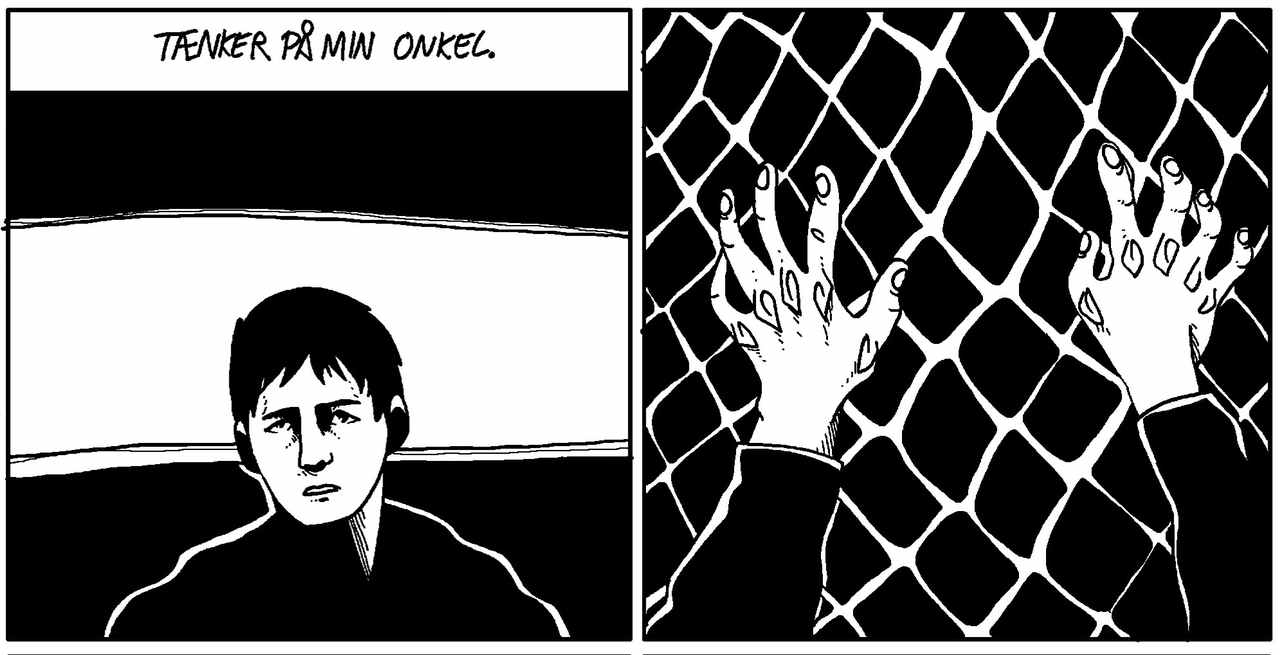
Or Politiken’s dark Sommerferie comic on the backpage – the section of the newspaper that could once be referred to, as Suzanne Vega did in Tom’s Diner, as “the funnies.”

With the viral picture of Omran Daqneesh and stories of Australian camps, it’s all in the forefront again.


  1. That impressive short film is part of a BBC Voices of Refugees research report. ↩