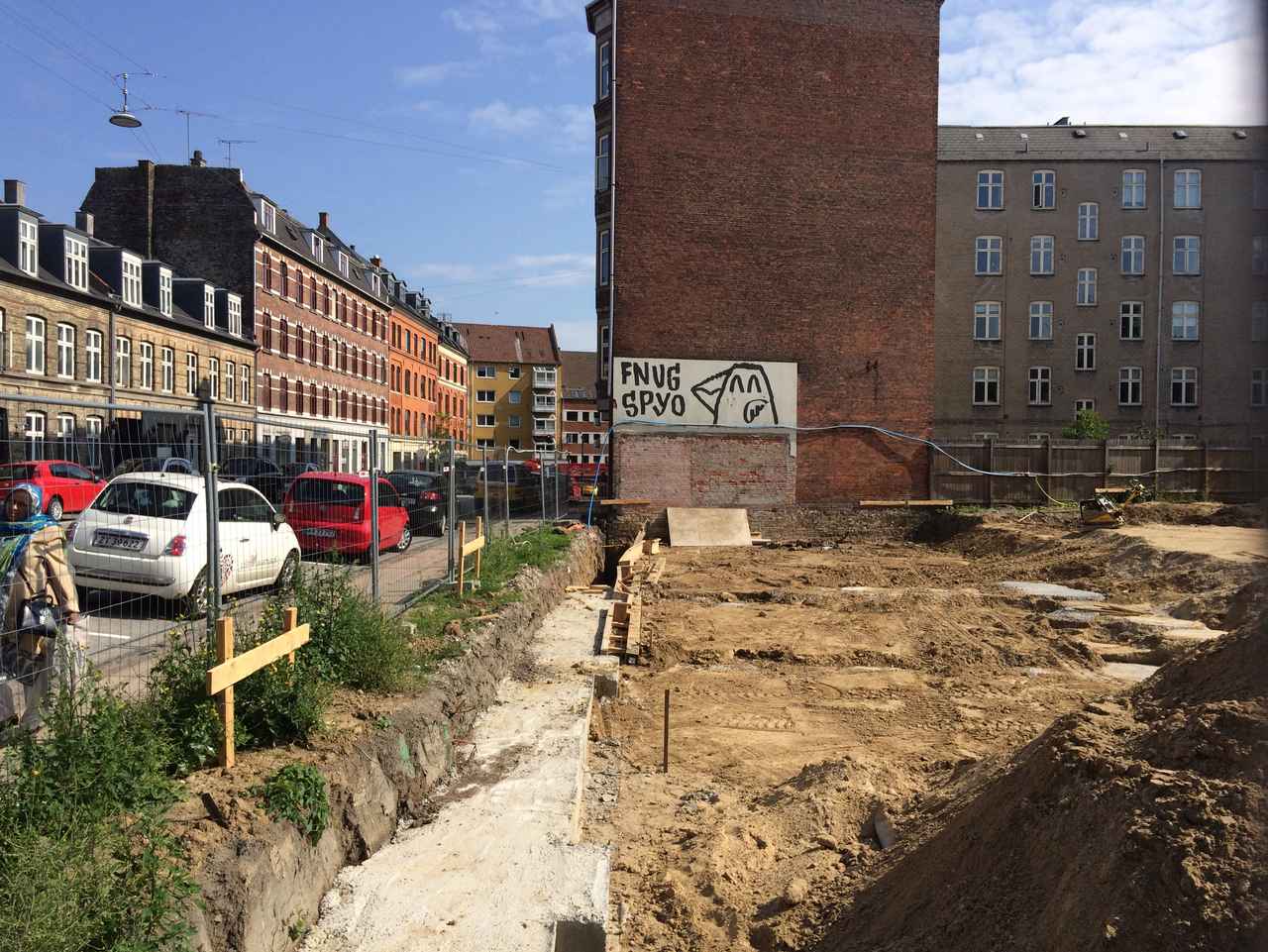
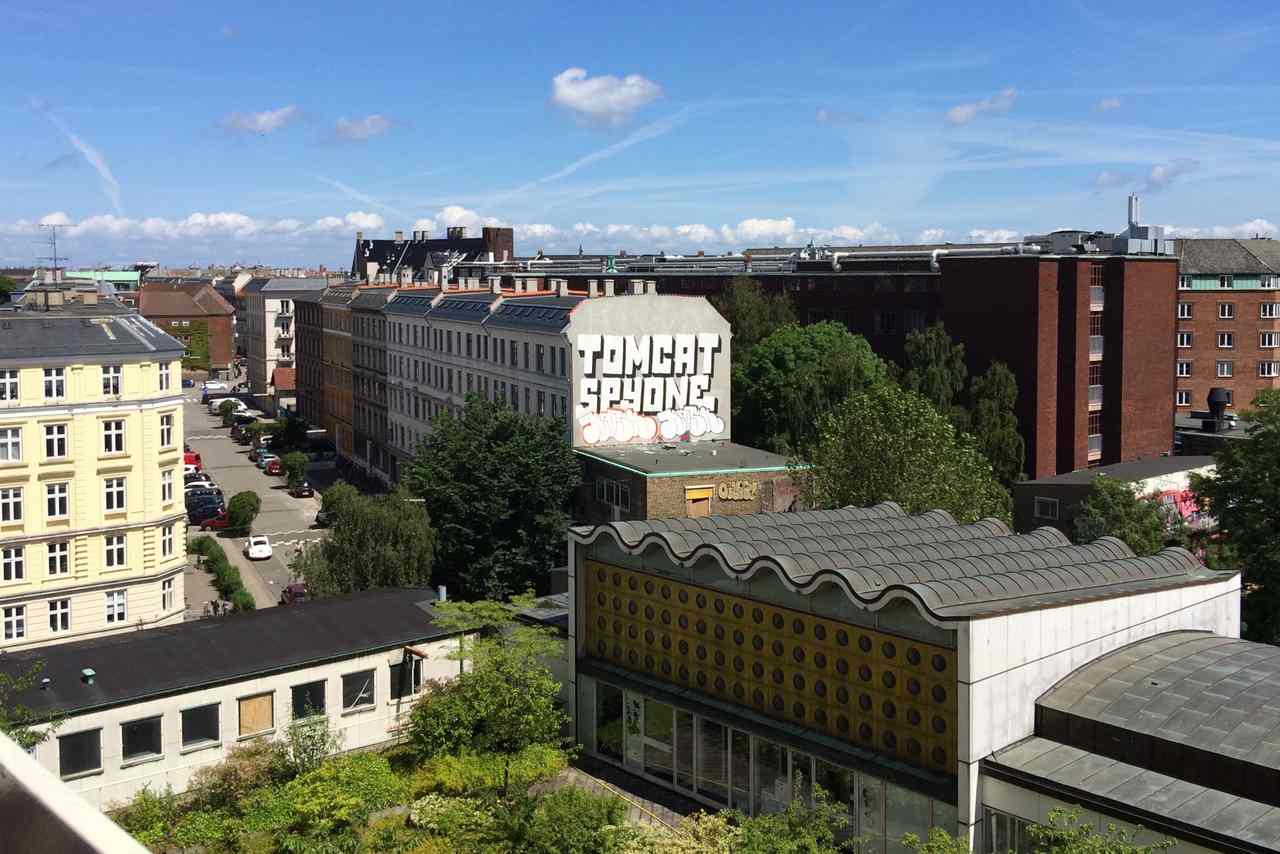
And on this midsummer day with dramatic cloudbursts and Britain voting on whether to stay in the EU or not – some photographs I took this morning.

And on this midsummer day with dramatic cloudbursts and Britain voting on whether to stay in the EU or not – some photographs I took this morning.
The closest we got to sitting around a Sankthans fire last night, was watching Neil deGrasse Tyson as he explained a little about the stars on Cosmos. The story of the group of women1 that pioneered the use light spectra to determine the elements that constitute the stars was fascinating, and completely new to me.
Continuing with popular science and the theme of women in domains traditionally dominated by men: The Lady Vanishes is the first episode of Malcolm Gladwell’s new Revisionist History podcast. And more on the role of (unsung) female pioneers in the world of tech with guest Virginia Hefferman on the Track Changes podcast.
Not that I find any mention of them in the Wikipedia articles. ↩
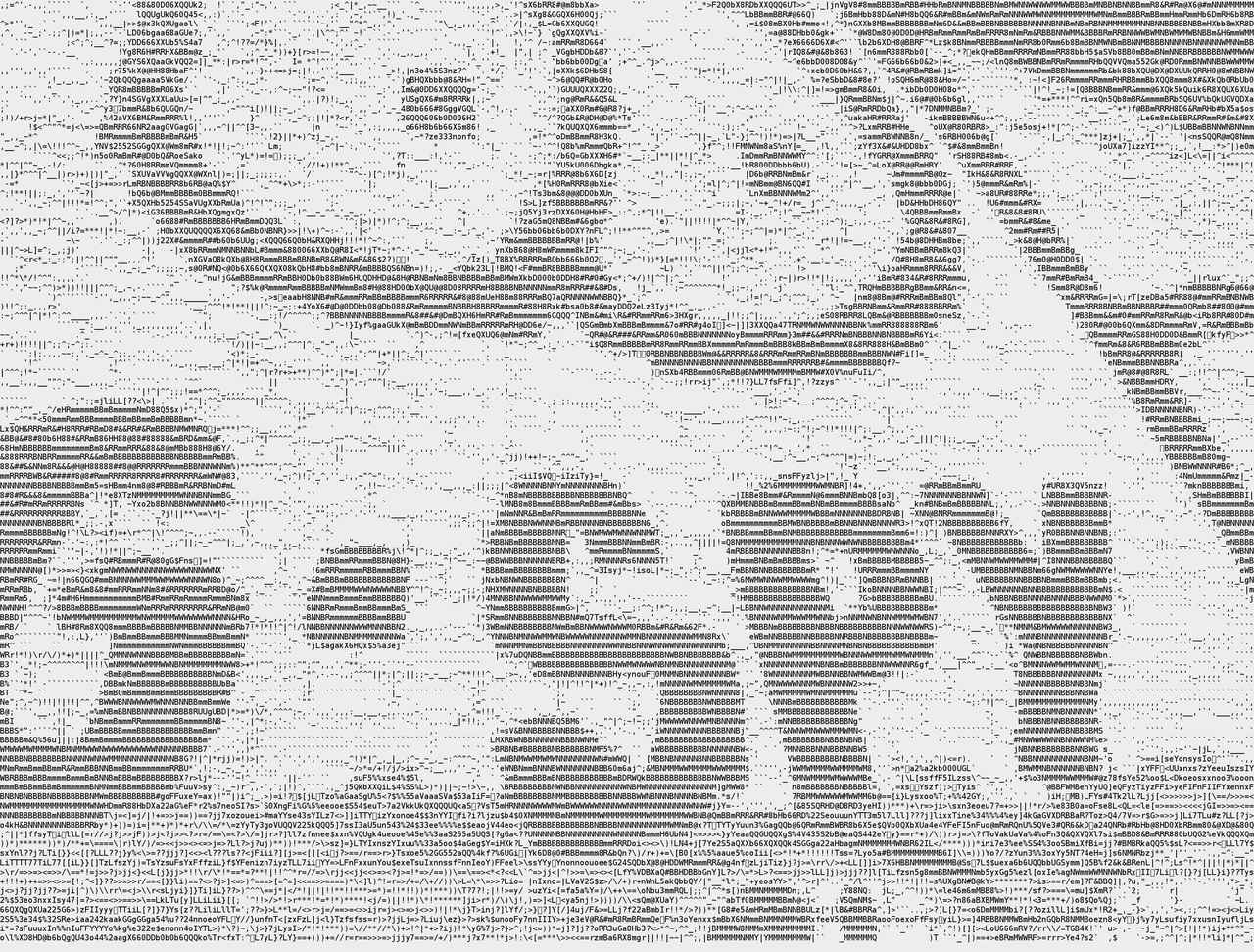
ASCII image created using Luke Deen Taylor’s Image2ASCII in Pythonista.

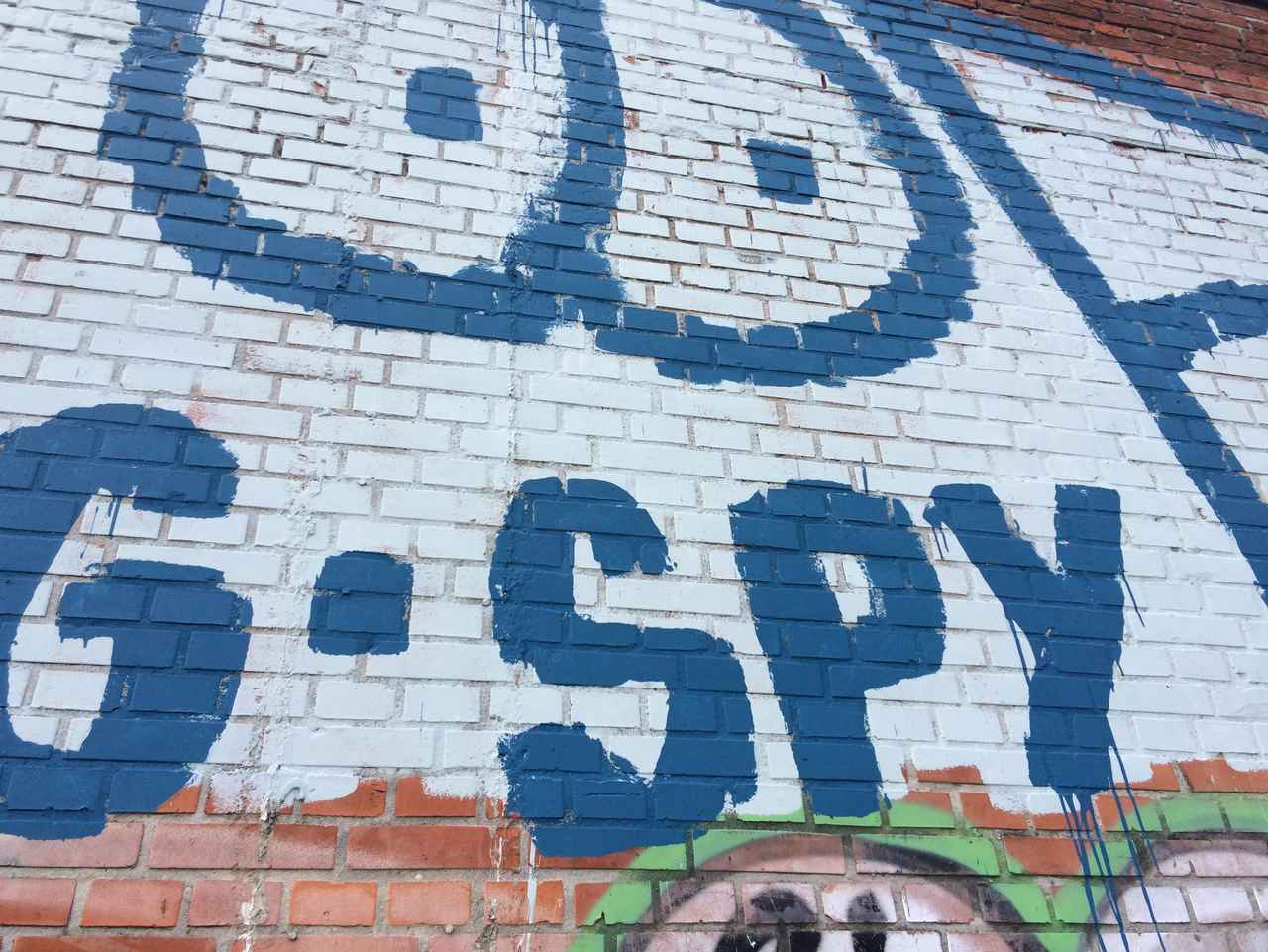
While taking the FNUG・SPY photographs that I posted a few days ago, an ASCII art rendering popped into my head. This particular artist apparently works with a brush and paint since the shape of the bricks on which the graffiti is painted comes through far more clearly than with the more common spray can style. It lends a particular character to the way the bird’s head looks, and I suppose the regular grid of the bricks prompted the ASCII association. I enjoyed the texture of yesterday’s Image2ASCII conversion but wanted to pursue the brick aspect a little more closely. A dim recollection of an app mentioned on Der Übercast a while back led me to Monodraw, which turns out to be a fantastic tool for creating plaintext ASCII art on the Mac. There’s no built-in conversion of images, but it is possible to overlay images and trace them by hand – which is what I’ve done here. A grid of 40 lines to match the height of circa 40 bricks that the graffiti covers.
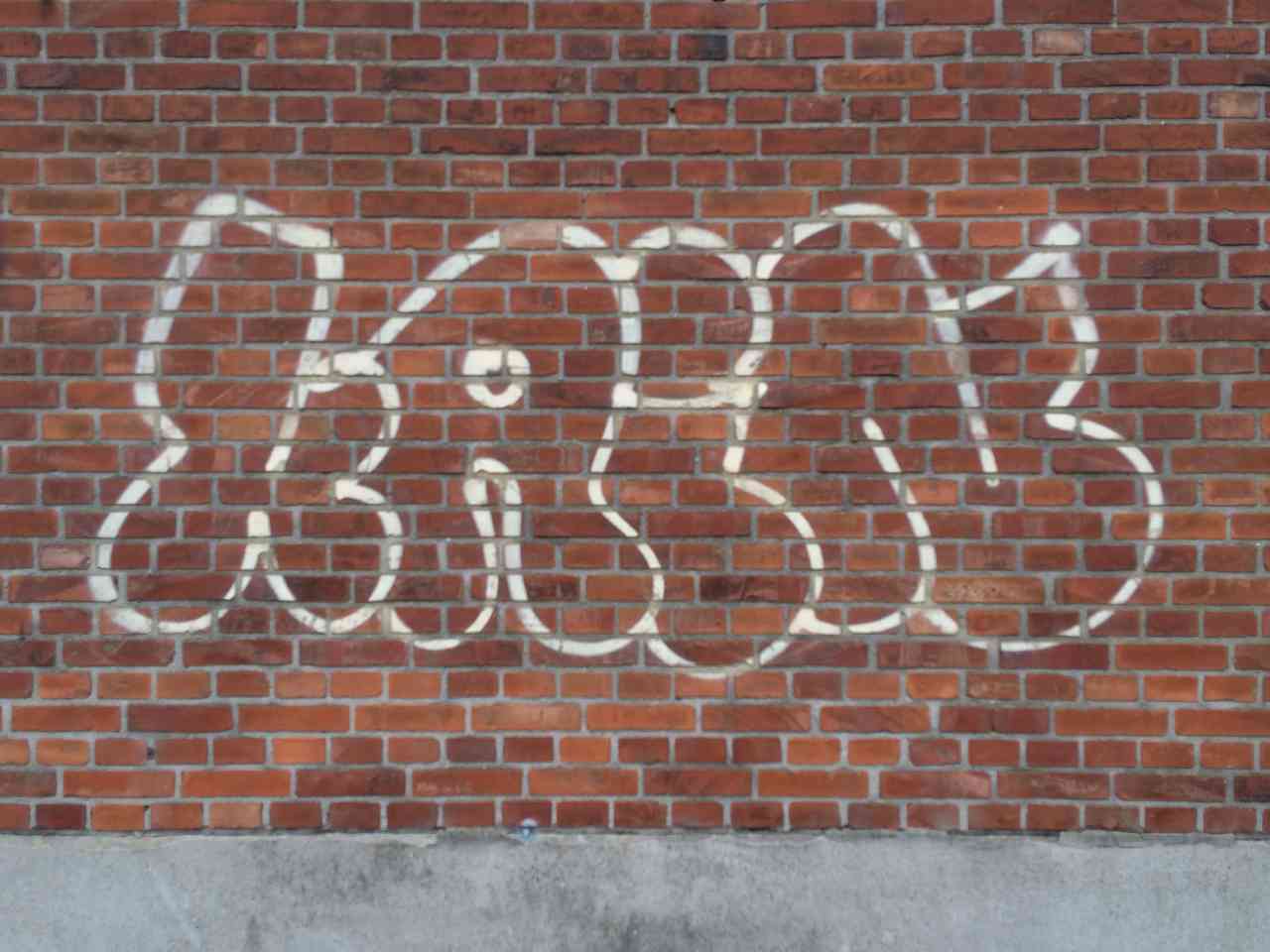
“WE’RE THOSE KIDS” is the full text that covers a wall along the perimeter of a park I walk though nearly every day.
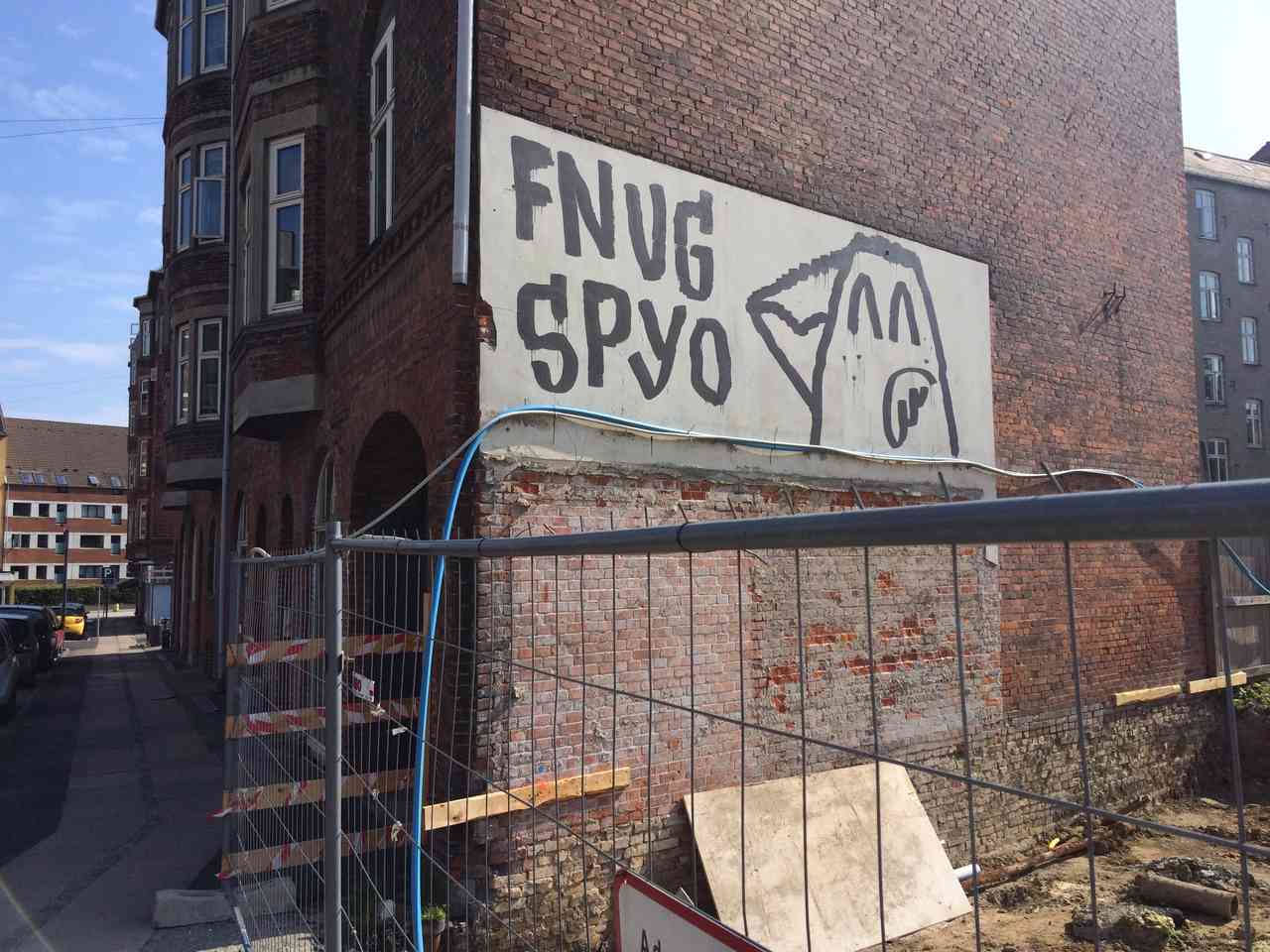
Looking again at another of the FNUG bird heads, I realize that the ragged style is intended, and not just a result of the bricked surfaces they’re painted on. This one is in any case painted on a smooth surface.
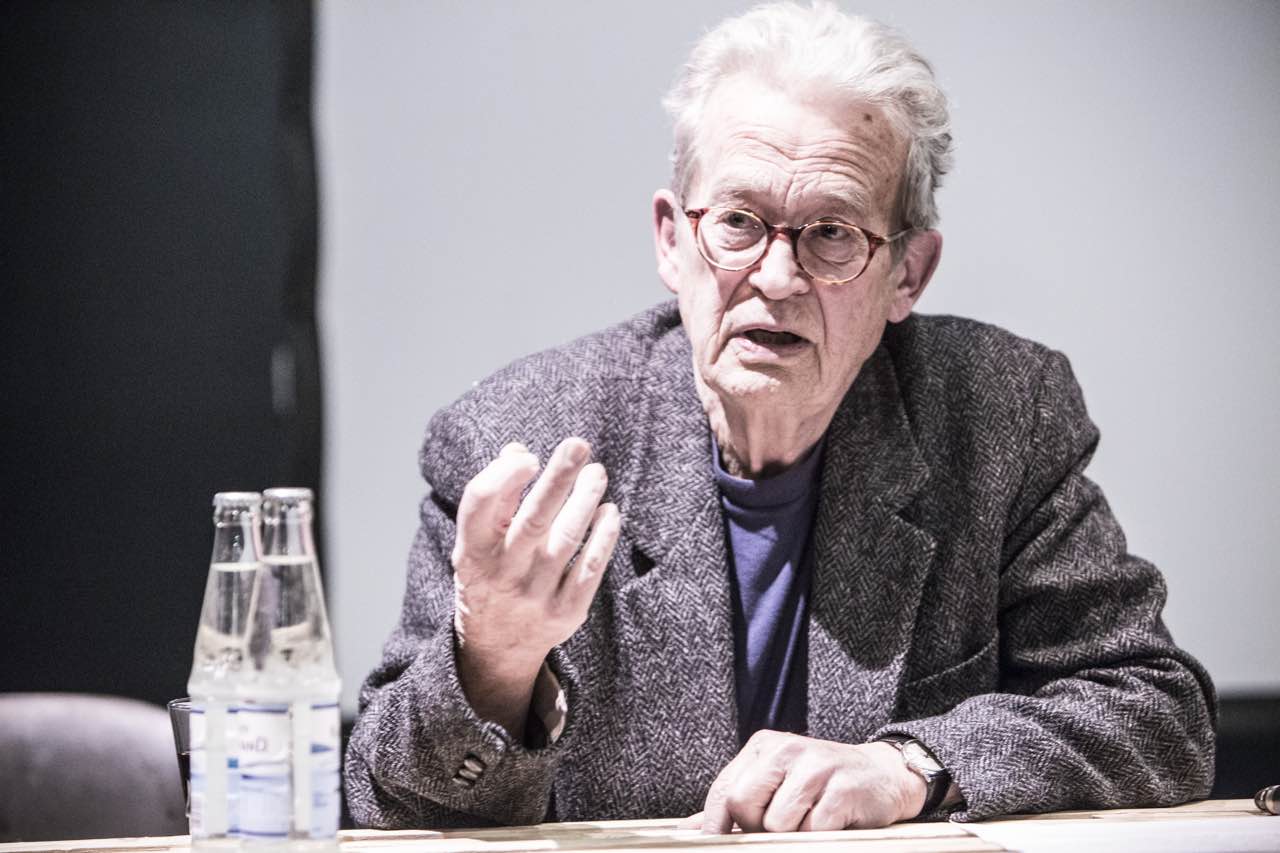
Pelle Gudmundsen-Holmgreen passed on yesterday. It’s still a little hard to fathom. Until recently he was still his vital, present self – attending all manner of concerts, discussing them, and cycling home when the day was done. A little like a parent that one imagines will always be there.
I’ve very much appreciated his presence during the twelve years that I’ve lived in Denmark. Open, curious, direct. A unique figure within Danish music life. A unique figure within music.
An encouraging figure. He found a way of standing his ground even when feeling overwhelmed by the greats of music history (Bach, for example), or general currents within contemporary (Danish) music: something he passed on to the younger generations of composers.
I think of his presence as a person as much as I think of the many wonderful pieces he composed: Choral music like no other in From the Natural World with ARS NOVA in Garnisonskirken, or the orchestral chords that open movement VIII of his Plateaux pour piano et orchestre – aural images that I carry with me all the time.
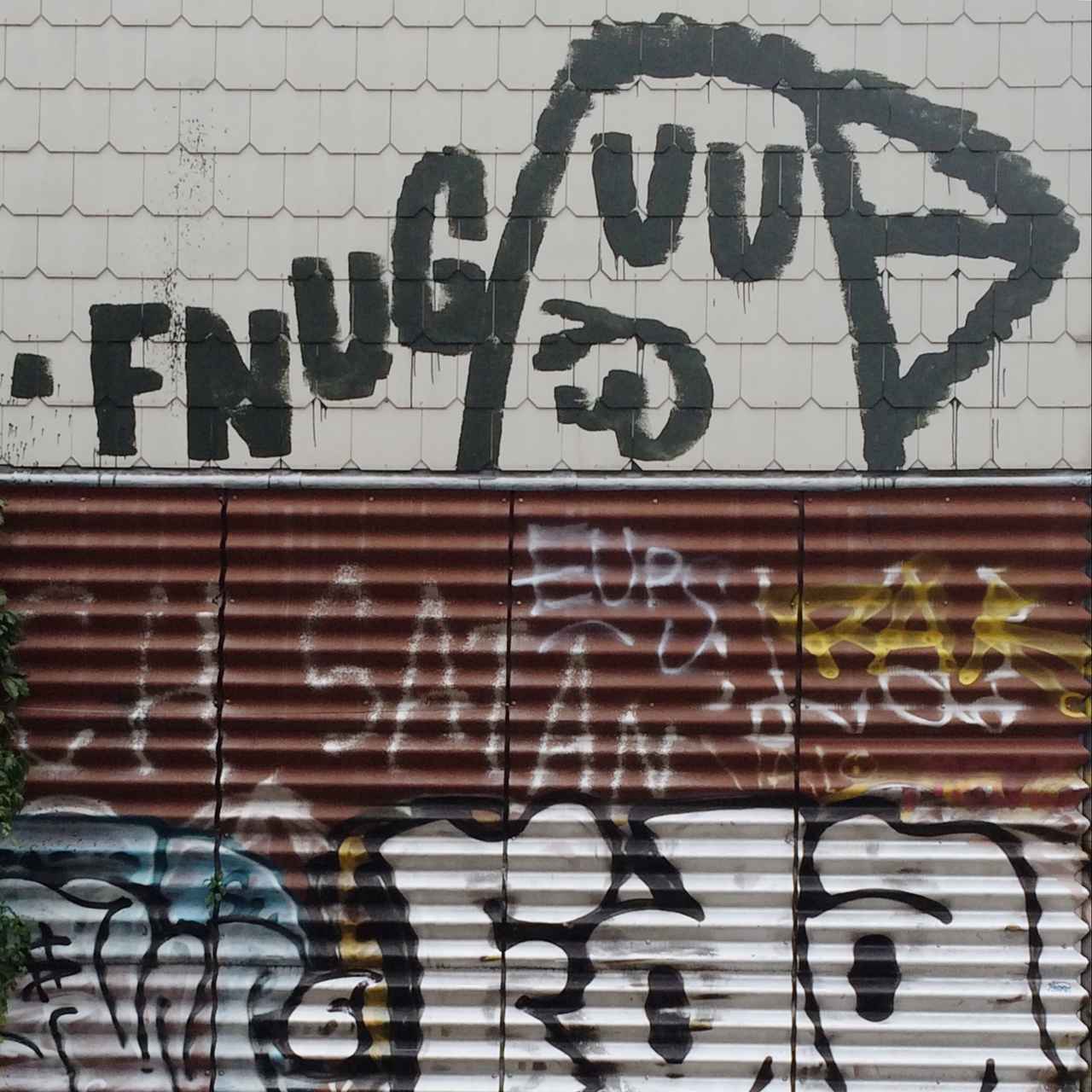
The Daily FNUG
I listened to two albums today, both for me new. Paul Simon’s recently released Stranger to Stranger was the first. It has two tracks with Partch instruments on them and I was curious to find out how they were incorporated. The album is so well-sounding and supple that amongst the many other ‘organic’ sounding instruments, it’s not that they jump out at you. It’s more like a subtle extension, strange turnings and all, of the ethnic sounds that one has come to expect in his music.
Laurie Anderson’s Heart of a Dog was the second. It’s the (full) soundtrack to her recent film (which I haven’t seen yet). I was somewhat reluctant to start with, but the more I listened the more I found myself drawn in – and moved. I’m not sure what the visual component is, but just listening it had something of the character of a series of blog posts read aloud with sound and music added. Disarmingly direct and personal with the loose character slowly giving way to a sense of a throughly thought out whole. A full-on take on life and death with (delightful) twists along the way.
In The Bardo she talks of the Buddhist notion of an intermediary state covering the 49 days after death – a time in which the mind gradually dissolves allowing consciousness to move on. All of this related in relation to her dog – perhaps on one level an artistic device, but also a strong reminder to take all forms of life seriously. It made an impression.
I think of Pelle only a few days into his bardo and wish him well on this next stage. Tomorrow at 13:00, the funeral service at Garnisonskirken.
Pelle’s funeral was held today. In Ganisonskirken where his works have so often been performed. Standing outside the church after the service, I was struck by how strong the collective emotion was. As we gathered and stood in reflection for a few minutes before the hearse took the coffin away, the intensity of the moment felt too much to bear. With someone leaving it, the world was suddenly thrown into a kind of relief, as if seeing the everyday surroundings for the first time: The wind in trees that align Sankt Annæ Plads. Someone walking their dog.1
The tears welled up, but for some reason one doesn’t really want to let them flow uncontrolled in a public situation like that. The collective emotion was so palpable though. I’m not sure if grief is the right word. Sorrow. The pain of loss, of saying goodbye. I’m not sure if there is a word that encapsulates it. Laurie Anderson: Tears are the only thing forbidden in the Buddhist Book of the Dead on the grounds that they might confuse the departing soul. Still, it felt appropriate that there should be some outlet.
Even though his death came somewhat earlier than expected, there is the sense that Pelle had an extremely rich and well rounded life. It’s not so much sad in that sense. I would have wished though for him to have experienced his opera as he had envisaged it. I imagine him in his bardo, gradually clearing the stage until empty.
Something like the contrast in John Roderick’s The Commander Thinks Aloud. “Boys and girls in cars, Dogs and birds on lawns…” ↩
                 _
       /\ /\__ _(_)_ __
      / //_/ _` | | '_ \
     / __ \ (_| | | | | |
     \/  \/\__,_|_|_| |_|
I was keen to experiment a little more with translating graffiti into ASCII art using Monodraw. Once again with a correlation between the number of bricks covered by the graffiti and the number of lines in the ASCII grid as a starting point. It’s harder than I thought though, and my efforts this evening haven’t lead to anything I feel vaguely satisfied with. But I’m learning.
One Monodraw feature that I have had some fun playing around with is the built in ‘fonts’.1 One can type in a bit of text and have it translated into ASCII banners of various shapes and sizes. There’s even one called ‘Graffiti’ but I settled on using ‘Ogre’ unaltered for the above – in this case true ASCII text art, rather than text exported as an image.
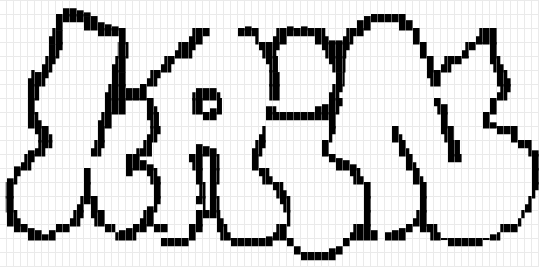
Here’s a possible ASCII rendering of yesterday’s graffiti. Building it up placing the various block elements by hand is a somewhat painstaking process, and got me thinking of Chuck Close. There’s always been a grid present in his work, either implicit as a technique behind the early photorealistic works, or explicit, as with his later paintings. He also began filling that grid in with looser, more painterly shapes; as with the cover art for Paul Simon’s latest album.

.@SoundCloud WTF! What’s with the ugly banner blocking off the waveform like a crime scene?
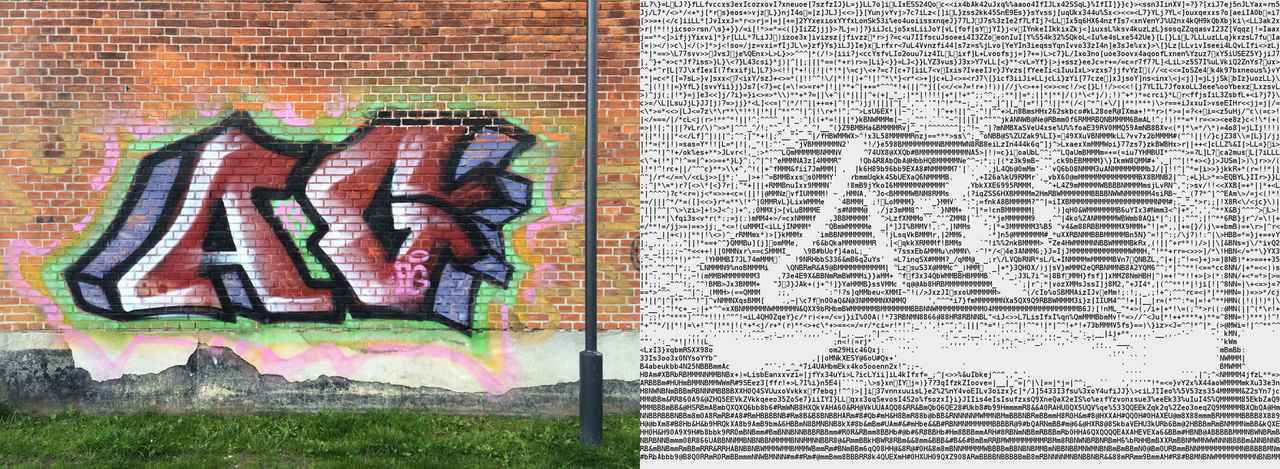
Back to ASCII graffiti with Luke Deen Taylor’s Image2ASCII, this time with a few tweaks to get the line count to match the height of the bricks. It’s a lot simpler with software figuring out the visual weight for each unit of the grid. For fun here’s Paul Simon’s latest Chuck Close album cover with a single letter for each of the 14x14 blocks.
     :ku
   'cqy]v},
  ;)J4XRNB8f-
_=^ToeMM6N8E%"
  )RBNR@BMm?`
   ,Y@evS[`
     `Ly-
If I have the date correct, tomorrow marks the day two years ago that Chloe Weil took her life. She described herself as “a person who makes things”. I always enjoyed that. She made many things, one of which was her website. It’s no longer up at chloeweil.com, but fortunately Jeremy Keith has it archived over at: chloeweil.adactio.com.
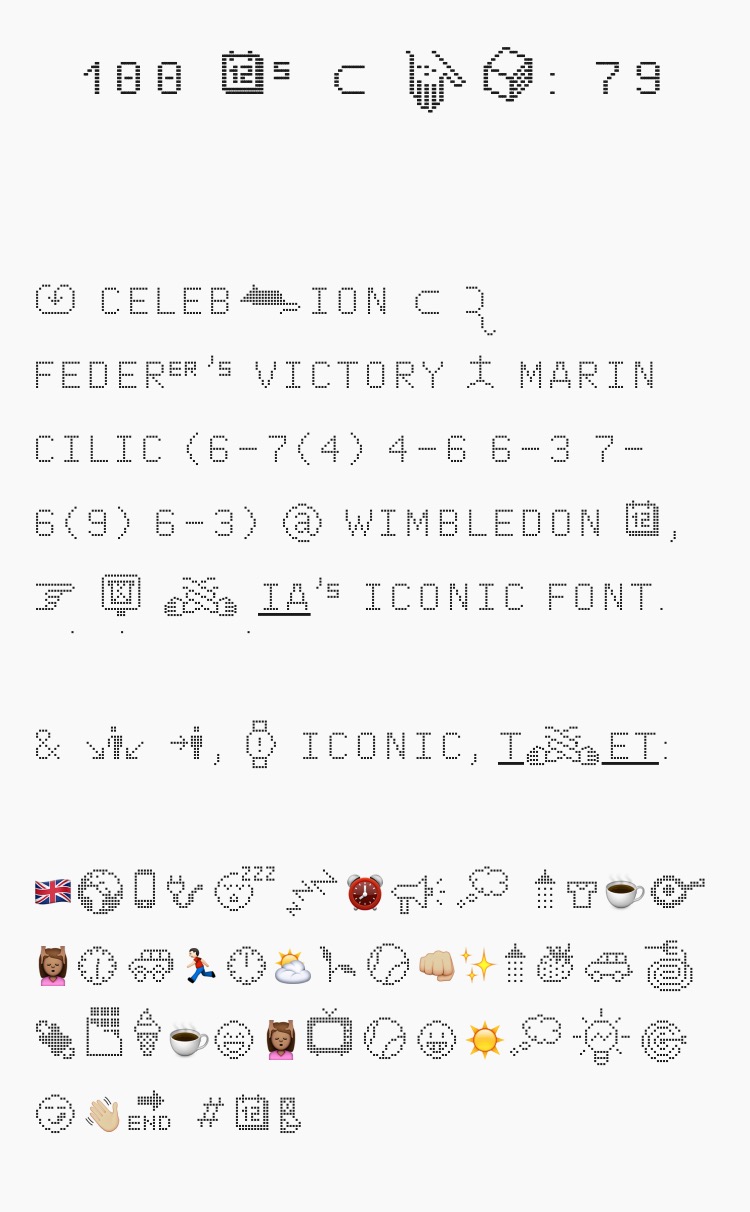
In celebration of Roger Federer’s victory over Marin Cilic (6-7(4) 4-6 6-3 7-6(9) 6-3) at Wimbledon today, this post with iA’s Iconic font.
And here his, now famous, tweet:
🇬🇧🌍📱🔌😴💤⏰📢💭 🚿👕☕️🍳💆🏽🕧🚙🏃🏻🕛⛅️🌱🎾👊🏼✨🚿🍓🚗🍝🍖🍫🍦☕️😄💆🏽📺🎾😀☀️💭💡🎯😋👋🏼🔚 #DayOff
I’ve been taking a fresh look at my LilyPond setup after having been busy with other things for the last few months.
I decided to give Atom a try after remembering that I saw a LilyPond syntax highlighting package for the text editor on Github. A handy feature with Atom is that is has a built-in package manager which makes it possible to search for and install themes and packages right from within the settings tab of the editor. Typing Lilypond into the search bar not only brings up the AtLilyPond syntax package, but also lilycompile, which makes it possible to compile Lilypond files right from within Atom with a single command. 1
Installation couldn’t be easier, the only hitch I encountered setting it all up on my Mac was having to enter the full path for the ‘Binary’ option in the lilycompile settings: 2
/Applications/LilyPond.app/Contents/Resources/bin/lilypondAlong with the Solarized Light Syntax theme, again easily installed via the built-in package manager, I now have something that comes pretty close to the setup I’ve been looking for. I’ll hopefully get round to writing up a more extensive blog post about it soon.
AtLilyPond requires the language-lisp package and lilycompile the pdf-view package, both also easily available via the package manager. ↩
Thanks to Aljoscha Meyer, the creator of lilycompile, for helping sort that out. ↩
I attended a very beautiful concert in memory of Pelle Gudmundsen-Holmgreen this afternoon. Theatre of Voices and the Kronos Quartet. Last grounds.
A few days ago I listened to Algorithms to Live By, one in a series of monthly seminars hosted by The Long Now Foundation. When searching for something, be it an apartment or a partner, when is the optimal time to stop searching and take a leap? 37% into the time one has available, is the precise answer provided by computer science.
After the concert this afternoon I got to thinking about Pelle’s unshaken curiosity right until the end. At a period in life in which one theoretically should have settled in one’s ways, relishing the friends and interests one has honed in on, he remained genuinely interested in what his colleagues, especially the younger generation, were up to.
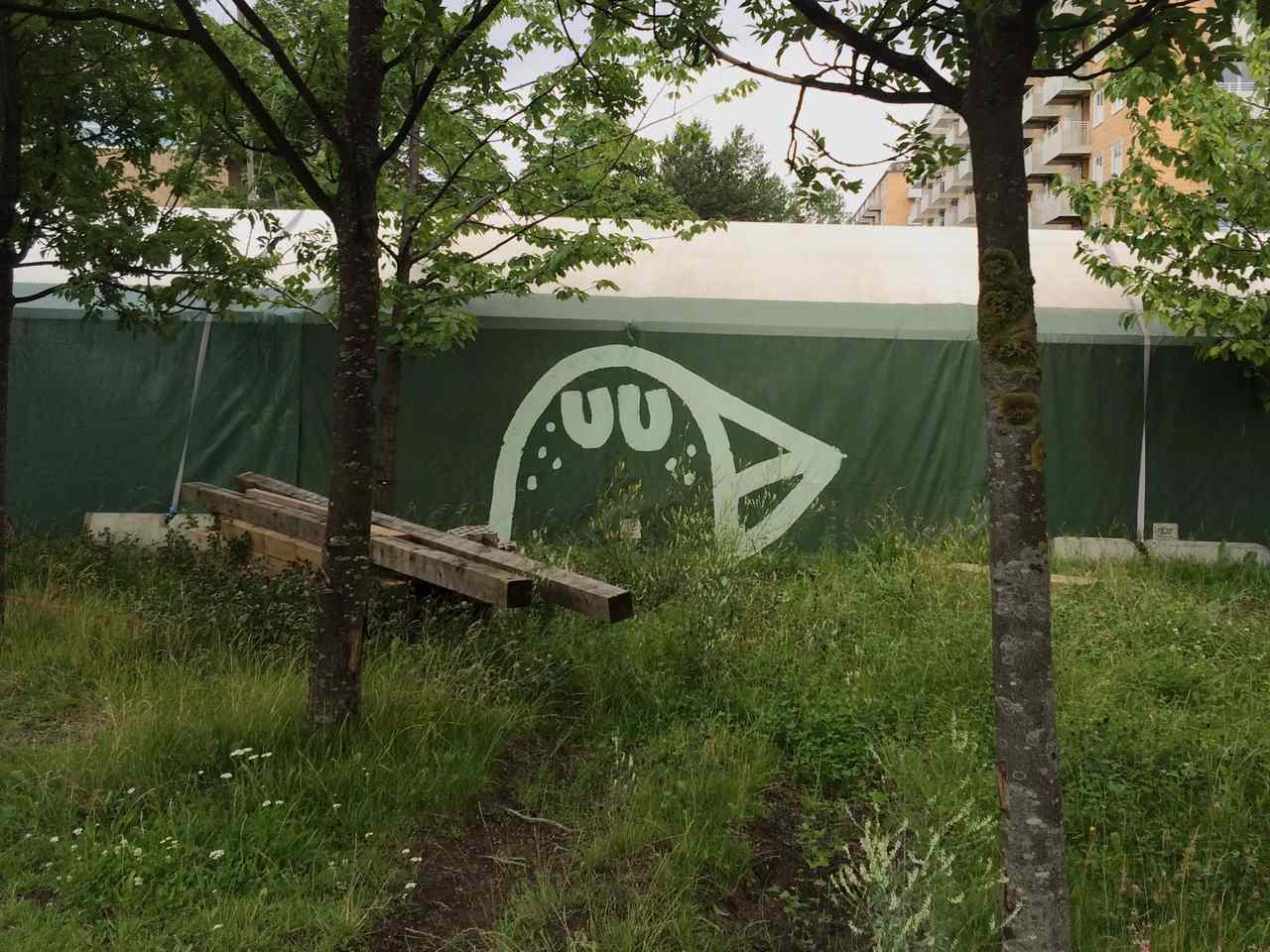
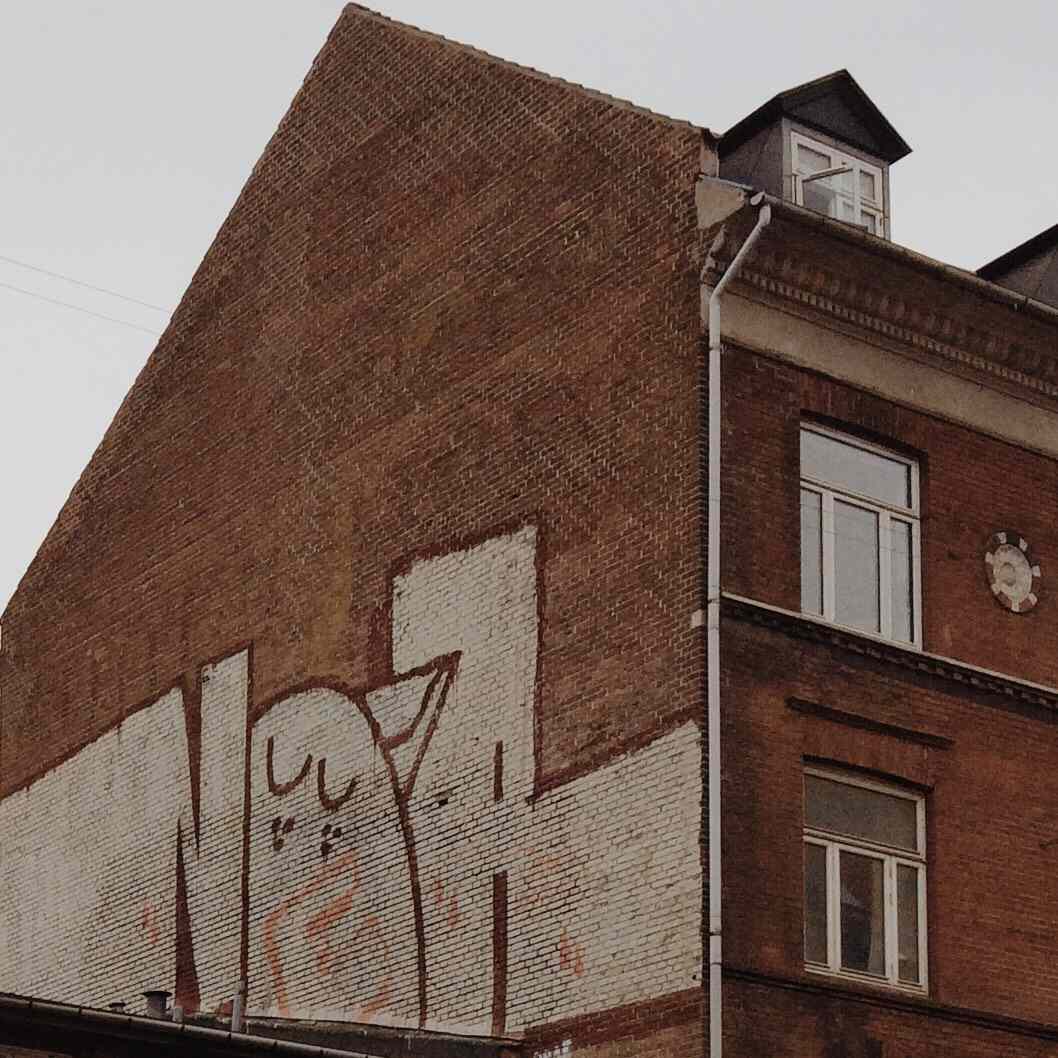
Ever since the FNUG・SPY photograph and my subsequent ASCII experiments, I’ve suddenly been noticing those bird heads all over town. They distinguish themselves from most sprayed graffiti not only by their painted style, but also their placement, which is often close to the top of the space they’re painted on, or at least quite high up. They’re quite literally raised above the rest.
The more I’ve been noticing them, the more I’ve begun to wonder about the artist. A little searching on the web turned up this Politiken article from 2010. At the time he’d been at it for six years, and that was six years ago, almost to the day.
A few things fitting into place for me after reading the Politiken Spyo article yesterday. The birds seem to be something from the years since that 2010 interview. Before that it seems to have been mainly banners – with a strong element, that’s continued, of social commentary. 1
I CAN’T BREATHE
YOUR MONEY, UP MY ASS
ONE MAN’S TRASH, ANOTHER MAN’S TREASURE
The lettering shaped by the width of the paint roller, the reach of the telescope handle, the number of letters and the amount of space available.
I’m not sure how the birds came into the picture. A Spy vs. Spy reference? Spyo, SPYONE. They’re often strikingly serene though.
The birds and banners have made quite a distinctive mark on Copenhagen, and even Aarhus: One of them was adopted as the motto for the 10th SPOR Festival in 2014.

