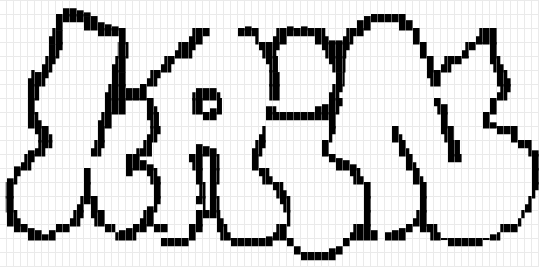
100 Days of Something: 71

Pelle Gudmundsen-Holmgreen passed on yesterday. It’s still a little hard to fathom. Until recently he was still his vital, present self – attending all manner of concerts, discussing them, and cycling home when the day was done. A little like a parent that one imagines will always be there.

I’ve very much appreciated his presence during the twelve years that I’ve lived in Denmark. Open, curious, direct. A unique figure within Danish music life. A unique figure within music.

An encouraging figure. He found a way of standing his ground even when feeling overwhelmed by the greats of music history (Bach, for example), or general currents within contemporary (Danish) music: something he passed on to the younger generations of composers.

I think of his presence as a person as much as I think of the many wonderful pieces he composed: Choral music like no other in From the Natural World with ARS NOVA in Garnisonskirken, or the orchestral chords that open movement VIII of his Plateaux pour piano et orchestre – aural images that I carry with me all the time.
100 Days of Something: 72

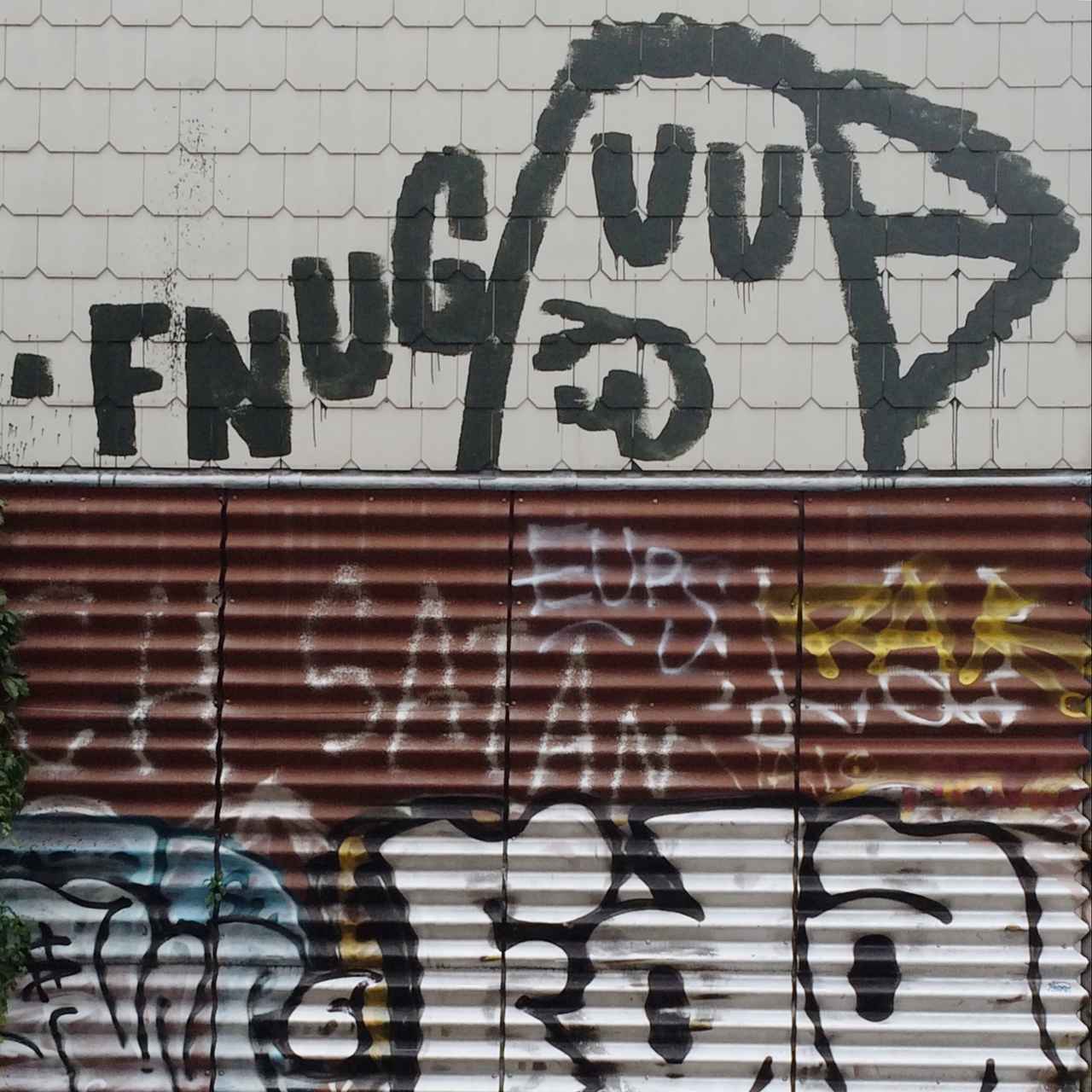
The Daily FNUG

100 Days of Something: 73

I listened to two albums today, both for me new. Paul Simon’s recently released Stranger to Stranger was the first. It has two tracks with Partch instruments on them and I was curious to find out how they were incorporated. The album is so well-sounding and supple that amongst the many other ‘organic’ sounding instruments, it’s not that they jump out at you. It’s more like a subtle extension, strange turnings and all, of the ethnic sounds that one has come to expect in his music.

Laurie Anderson’s Heart of a Dog was the second. It’s the (full) soundtrack to her recent film (which I haven’t seen yet). I was somewhat reluctant to start with, but the more I listened the more I found myself drawn in – and moved. I’m not sure what the visual component is, but just listening it had something of the character of a series of blog posts read aloud with sound and music added. Disarmingly direct and personal with the loose character slowly giving way to a sense of a throughly thought out whole. A full-on take on life and death with (delightful) twists along the way.

In The Bardo she talks of the Buddhist notion of an intermediary state covering the 49 days after death – a time in which the mind gradually dissolves allowing consciousness to move on. All of this related in relation to her dog – perhaps on one level an artistic device, but also a strong reminder to take all forms of life seriously. It made an impression.

I think of Pelle only a few days into his bardo and wish him well on this next stage. Tomorrow at 13:00, the funeral service at Garnisonskirken.

100 Days of Something: 74

Pelle’s funeral was held today. In Ganisonskirken where his works have so often been performed. Standing outside the church after the service, I was struck by how strong the collective emotion was. As we gathered and stood in reflection for a few minutes before the hearse took the coffin away, the intensity of the moment felt too much to bear. With someone leaving it, the world was suddenly thrown into a kind of relief, as if seeing the everyday surroundings for the first time: The wind in trees that align Sankt Annæ Plads. Someone walking their dog.1

The tears welled up, but for some reason one doesn’t really want to let them flow uncontrolled in a public situation like that. The collective emotion was so palpable though. I’m not sure if grief is the right word. Sorrow. The pain of loss, of saying goodbye. I’m not sure if there is a word that encapsulates it. Laurie Anderson: Tears are the only thing forbidden in the Buddhist Book of the Dead on the grounds that they might confuse the departing soul. Still, it felt appropriate that there should be some outlet.

Even though his death came somewhat earlier than expected, there is the sense that Pelle had an extremely rich and well rounded life. It’s not so much sad in that sense. I would have wished though for him to have experienced his opera as he had envisaged it. I imagine him in his bardo, gradually clearing the stage until empty.


  1. Something like the contrast in John Roderick’s The Commander Thinks Aloud. “Boys and girls in cars, Dogs and birds on lawns…” ↩

100 Days of Something: 75


                 _
       /\ /\__ _(_)_ __
      / //_/ _` | | '_ \
     / __ \ (_| | | | | |
     \/  \/\__,_|_|_| |_|

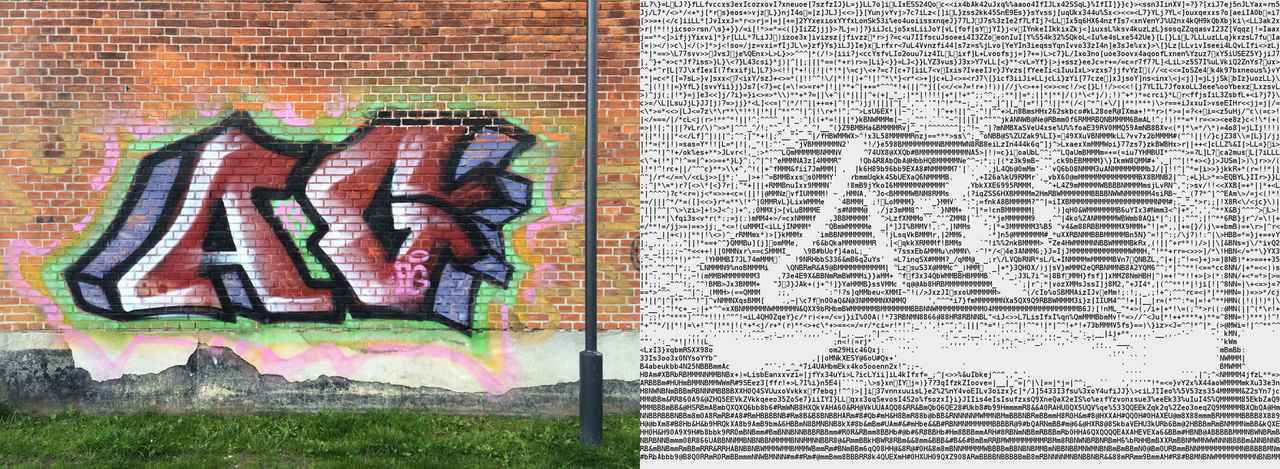
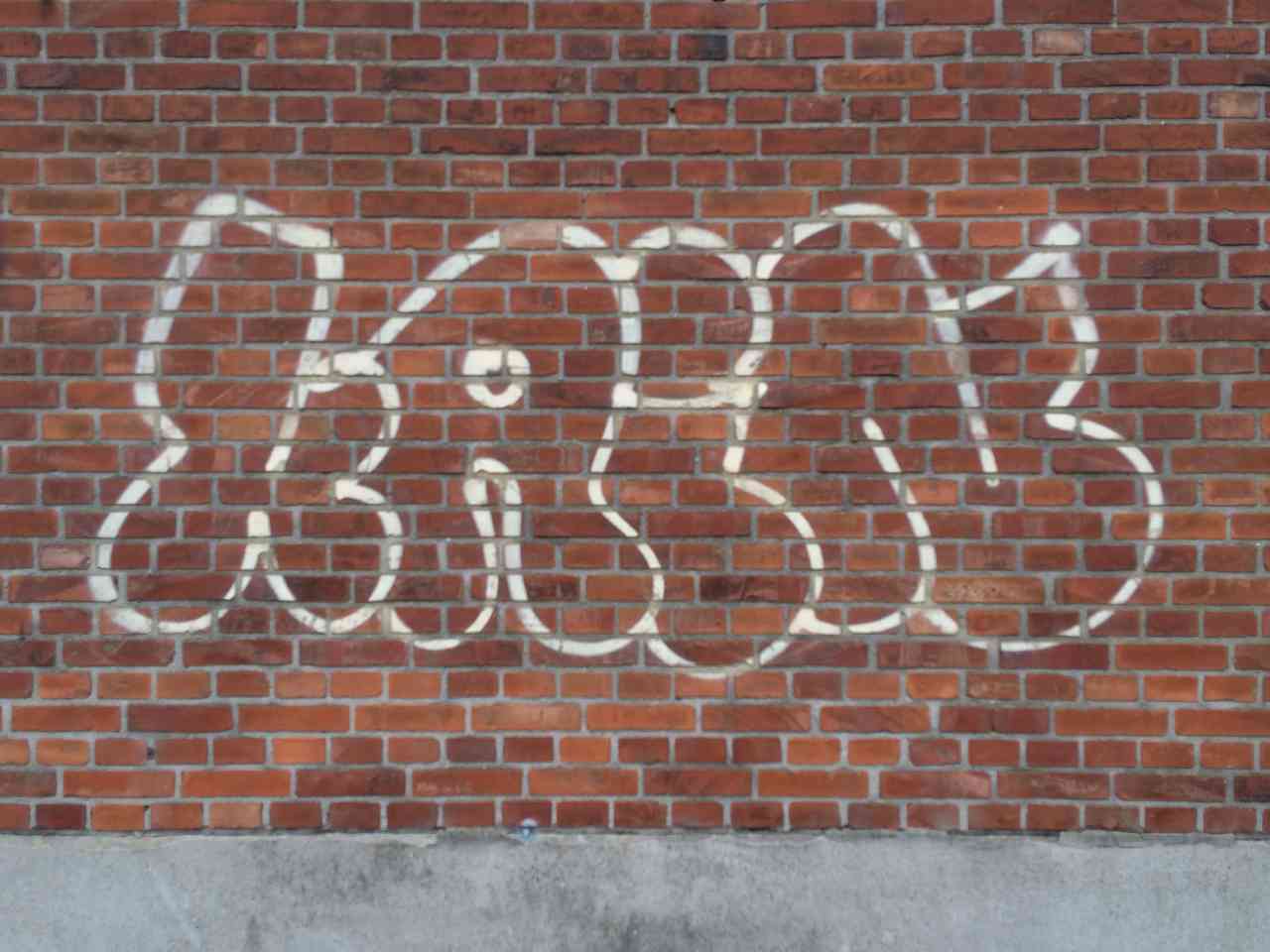
I was keen to experiment a little more with translating graffiti into ASCII art using Monodraw. Once again with a correlation between the number of bricks covered by the graffiti and the number of lines in the ASCII grid as a starting point. It’s harder than I thought though, and my efforts this evening haven’t lead to anything I feel vaguely satisfied with. But I’m learning.

One Monodraw feature that I have had some fun playing around with is the built in ‘fonts’.1 One can type in a bit of text and have it translated into ASCII banners of various shapes and sizes. There’s even one called ‘Graffiti’ but I settled on using ‘Ogre’ unaltered for the above – in this case true ASCII text art, rather than text exported as an image.


  1. Based on FIGlet – a program for making large letters out of ordinary text. ↩

100 Days of Something: 76

Here’s a possible ASCII rendering of yesterday’s graffiti. Building it up placing the various block elements by hand is a somewhat painstaking process, and got me thinking of Chuck Close. There’s always been a grid present in his work, either implicit as a technique behind the early photorealistic works, or explicit, as with his later paintings. He also began filling that grid in with looser, more painterly shapes; as with the cover art for Paul Simon’s latest album.

100 Days of Something: 77

Back to ASCII graffiti with Luke Deen Taylor’s Image2ASCII, this time with a few tweaks to get the line count to match the height of the bricks. It’s a lot simpler with software figuring out the visual weight for each unit of the grid. For fun here’s Paul Simon’s latest Chuck Close album cover with a single letter for each of the 14x14 blocks.


     :ku      
   'cqy]v},   
  ;)J4XRNB8f- 
_=^ToeMM6N8E%"
  )RBNR@BMm?` 
   ,Y@evS[`   
     `Ly-     

100 Days of Something: 78

If I have the date correct, tomorrow marks the day two years ago that Chloe Weil took her life. She described herself as “a person who makes things”. I always enjoyed that. She made many things, one of which was her website. It’s no longer up at chloeweil.com, but fortunately Jeremy Keith has it archived over at: chloeweil.adactio.com.

100 Days of Something: 79

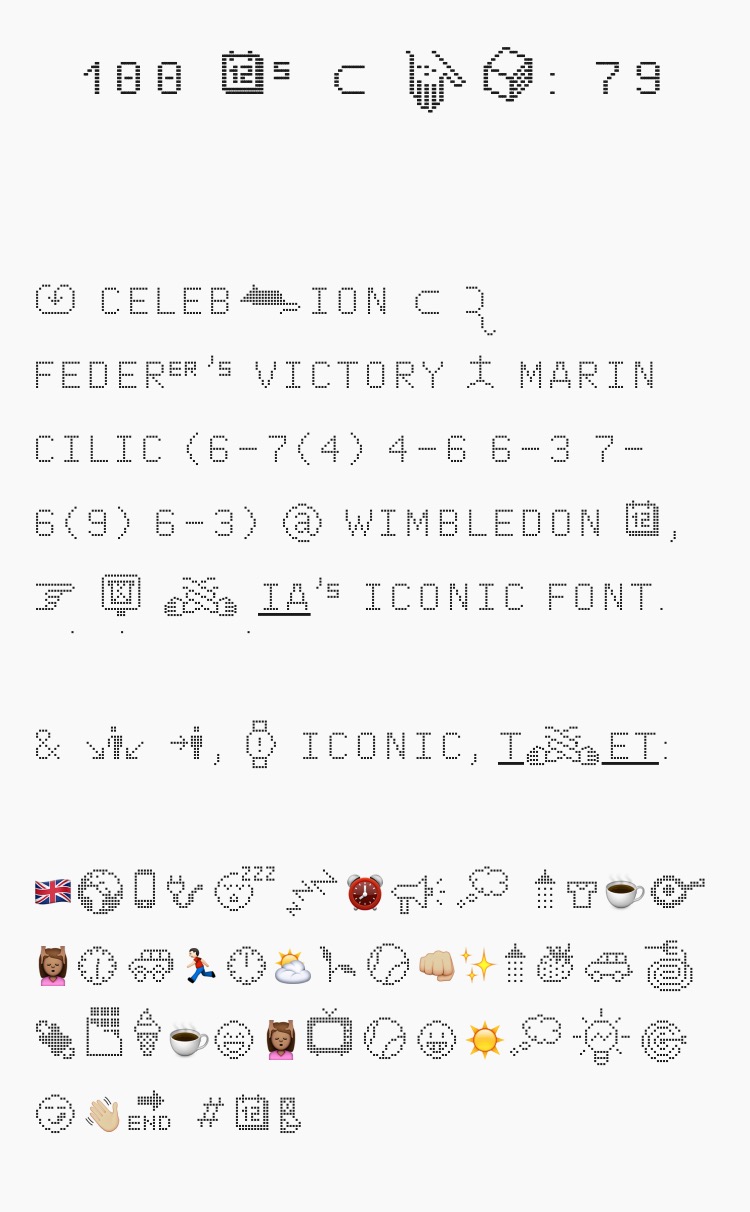
In celebration of Roger Federer’s victory over Marin Cilic (6-7(4) 4-6 6-3 7-6(9) 6-3) at Wimbledon today, this post with iA’s Iconic font.

And here his, now famous, tweet:

🇬🇧🌍📱🔌😴💤⏰📢💭 🚿👕☕️🍳💆🏽🕧🚙🏃🏻🕛⛅️🌱🎾👊🏼✨🚿🍓🚗🍝🍖🍫🍦☕️😄💆🏽📺🎾😀☀️💭💡🎯😋👋🏼🔚 #DayOff

100 Days of Something: 80

I’ve been taking a fresh look at my LilyPond setup after having been busy with other things for the last few months.

I decided to give Atom a try after remembering that I saw a LilyPond syntax highlighting package for the text editor on Github. A handy feature with Atom is that is has a built-in package manager which makes it possible to search for and install themes and packages right from within the settings tab of the editor. Typing Lilypond into the search bar not only brings up the AtLilyPond syntax package, but also lilycompile, which makes it possible to compile Lilypond files right from within Atom with a single command. 1

Installation couldn’t be easier, the only hitch I encountered setting it all up on my Mac was having to enter the full path for the ‘Binary’ option in the lilycompile settings: 2

/Applications/LilyPond.app/Contents/Resources/bin/lilypond

Along with the Solarized Light Syntax theme, again easily installed via the built-in package manager, I now have something that comes pretty close to the setup I’ve been looking for. I’ll hopefully get round to writing up a more extensive blog post about it soon.


  1. AtLilyPond requires the language-lisp package and lilycompile the pdf-view package, both also easily available via the package manager.  ↩

  2. Thanks to Aljoscha Meyer, the creator of lilycompile, for helping sort that out. ↩